
 FREE DELIVERY
  SHIPPED WITHIN 48 HRS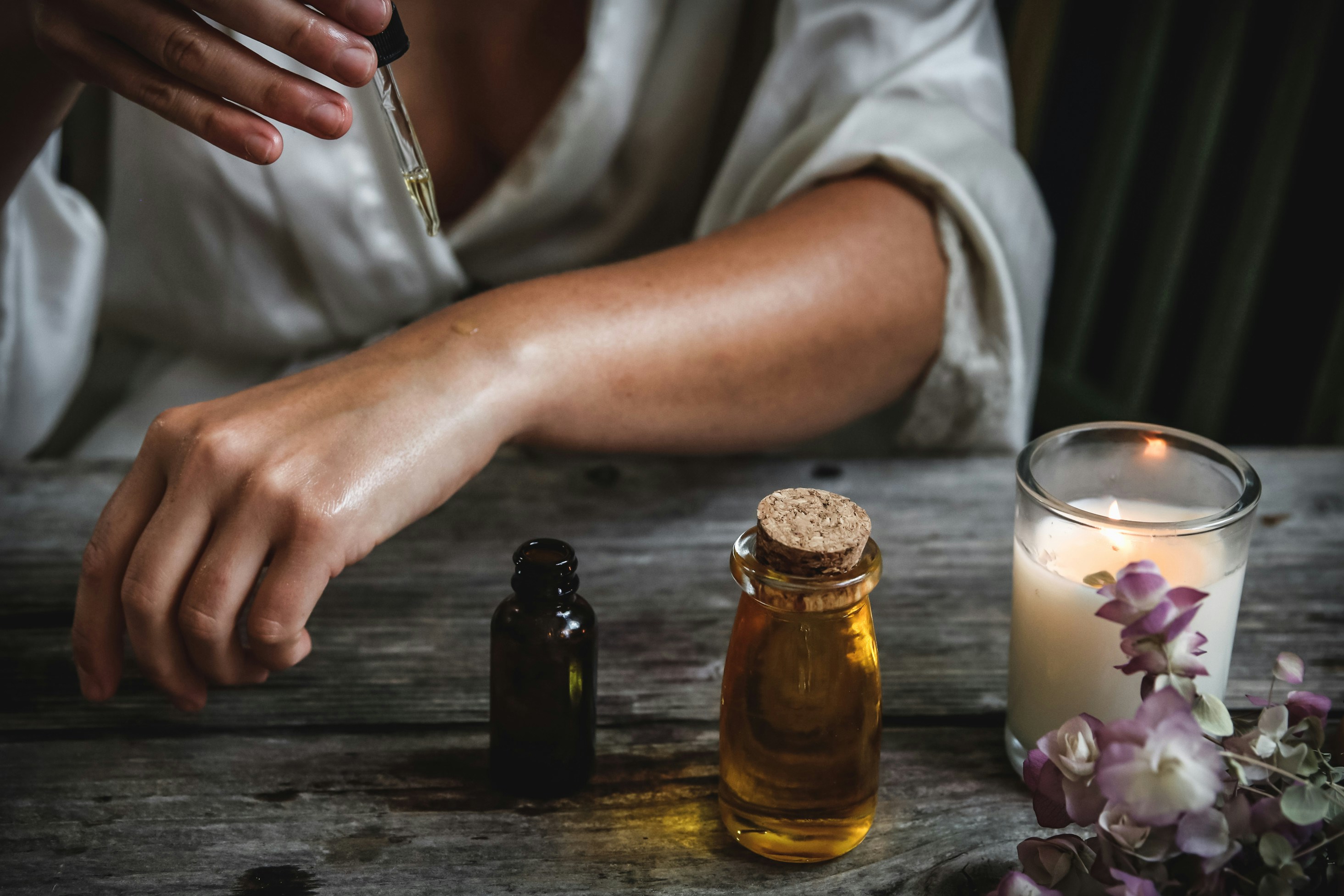
Understanding Essential Oil: What They Are and How They Work
Essential oil is concentrated, aromatic extracts derived from various parts of plants, including leaves, flowers, bark, and roots. These oils capture the plant’s scent and therapeutic properties through methods such as steam distillation and cold pressing. Within each essential oil resides a unique combination of chemical compounds, which collectively elicit a range of biological effects. For instance, the uplifting nature of citrus scents like orange or lemon can notably enhance mood and reduce feelings of stress.
The concept of aromatherapy is rooted in the use of perfume essential oil to improve emotional and physical well-being. This holistic practice harnesses the power of essential oil, allowing individuals to benefit from their therapeutic properties by inhalation or topical application. When inhaled, the aromatic molecules of essential oil interact with the olfactory system, which is closely connected to the limbic system of the brain, the region responsible for emotions and memory. This interaction can trigger various responses, such as relaxation or invigoration, making homemade essential oil blends a popular choice for those seeking to cultivate a serene atmosphere at home.
Furthermore, the chemical composition of these oils, often including terpenes, esters, and phenols, plays a pivotal role in their effects on health. For example, Indian herbal essential oil like eucalyptus and tea tree have antimicrobial properties, while lavender is widely recognized for its calming effects. Each oil acts separately; however, when combined skillfully, they can enhance each other’s properties, contributing to overall wellness. By understanding how these compounds work, individuals can select essential oil that suit their needs, thus fully embracing the myriad benefits they can offer in daily life.
Common Uses of Essential Oil in Daily Life
Essential oil have gained widespread popularity for their versatility and numerous benefits in daily life. One of the most common uses is for relaxation and stress relief. Oils such as lavender and chamomile are renowned for their calming properties, making them ideal for use in diffusers or added to bathwater. In moments of heightened anxiety or stress, a few drops of these perfumed oil can significantly enhance feelings of tranquility.
Additionally, fragrance like peppermint and rosemary are often utilized to improve concentration and cognitive performance. Whether used in a workspace or while studying, these stimulating scents can help clear the mind and increase focus. Many individuals create homemade essential oil blends specifically targeting these needs, allowing for a tailor-made approach to enhancing productivity.
Sleep quality is another area where essential oil shines. Oil such as cedarwood and ylang-ylang are frequently included in nighttime routines. By incorporating these into pillow sprays or sleep masks, users can create a more conducive environment for restful sleep. Their presence not only promotes relaxation but also facilitates a deeper sleep cycle by calming the mind.
Moreover, the cleaning properties of these oils contribute significantly to their practical applications. Indian herbal essential oil, like tea tree and eucalyptus, are effective natural disinfectants. They are often integrated into homemade cleaning products, offering an eco-friendly alternative to conventional cleaners while ensuring a fresh scent throughout the home.
Lastly, they serve as exceptional home fragrance solutions. From luxurious candles to potpourri, incorporating these oils allows for a delightful ambiance. The ability to personalize these scents can transform living spaces into tranquil havens. In conclusion, the diverse uses of them underscore their ability to seamlessly integrate into everyday routines, enriching both physical and mental well-being.
How to Safely Use Essential Oil
Using essential oil can provide a myriad of benefits, but safety remains paramount. When it is crucial to adhere to specific guidelines to ensure both efficacy and safety. One of the fundamental practices is proper dilution. Pure essential oil are highly concentrated and can irritate the skin if used undiluted. It is advisable to dilute with a carrier oil like coconut or olive oil before applying them to the skin. A common dilution ratio is 2-3 drops per teaspoon of carrier oil for adults.
Additionally, performing a skin patch test is an essential step before full application, especially for those new to using perfume or homemade essential oil. To conduct a patch test, apply a small amount of the diluted oil to an inconspicuous area on the skin and wait 24 hours to observe any adverse reactions.
When using Indian herbal essential oil, always consider diffusion methods carefully. Some may be suitable for diffusing, while others are best avoided due to their potent nature. Diffusers should be used according to manufacturer instructions, and it is advisable to ventilate rooms adequately during use.
Moreover, certain populations, including pregnant women, children, and individuals with specific health conditions, should avoid certain types of oils or consult a healthcare provider before usage. Essential oil interactions with medications may also pose risks; hence, individuals on medication should exercise caution and seek medical advice.
By following these guidelines, you can enjoy the numerous benefits of essential oil safely and effectively, enhancing your daily life naturally while minimizing risks associated with their use.
Integrating Essential Oil Into Your Lifestyle: Tips and Tricks
Incorporating essential oil into your daily routine can be both enriching and rejuvenating. Here are several effective methods to seamlessly weave these fragrant oils into various aspects of your life.
One of the simplest ways to enjoy the benefits of homemade essential oil blends is to create your own air fresheners. Combine water with a few drops of your favorite perfume essential oil in a spray bottle. Popular choices include lavender for relaxation or citrus oil for a refreshing burst. Give it a good shake before each use, and you’ll have a natural air freshener that doubles as a mood enhancer.
When it comes to skincare, you can elevate your beauty regimen with indian herbal essential oil infusions. Simply add a couple of drops of tea tree or frankincense oil to your moisturizer or carrier oil. This practice can help target specific skin concerns while providing a pleasant aroma and a sense of indulgence.
For cleaning supplies, creating a powerful yet gentle cleaner is straightforward. Mix white vinegar, water, and a few drops of your favorite gifiie essential oil, such as eucalyptus or peppermint, in a spray bottle. This mixture does not only disinfects surfaces but also leaves behind a clean, invigorating scent.
Lastly, establishing a diffuser routine at home or in the workplace can significantly uplift your environment. Select a blend of oils that resonates with your day’s requirements. For instance, use energizing oils like lemon or rosemary in the morning, and calming scents like chamomile in the evening. Experimenting with different combinations will help you find the ideal mixture that reflects your personal style and preferences.
Ultimately, the integration of essential oil into your lifestyle does not require rigidity; instead, it encourages creative expression and personal exploration. Don’t hesitate to try variations until you discover what brings you the most joy and balance.